
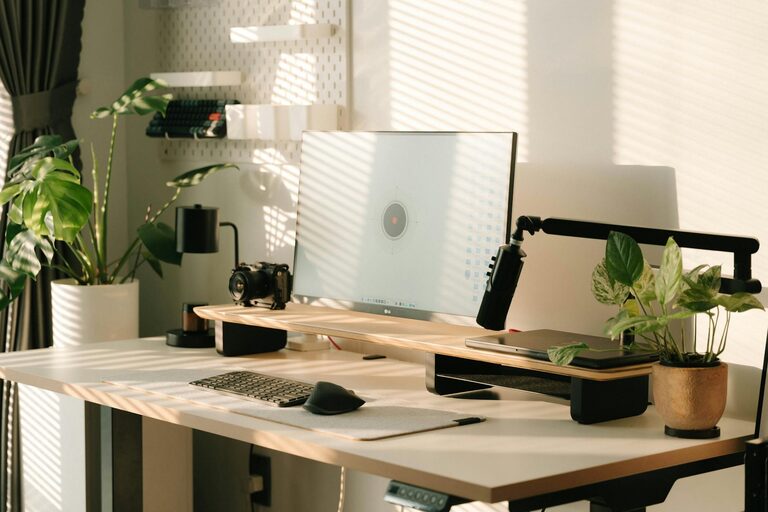
Creating a relaxing home workspace is essential for maintaining productivity, especially as more people work remotely or adopt flexible schedules. A calm and organized environment can reduce stress, improve concentration, and make work more enjoyable. In this post, we’ll explore practical tips to help you design a home office that supports both comfort and efficiency.
Why a Relaxing Workspace Matters
Your workspace influences your mood, energy levels, and overall effectiveness. Clutter, poor lighting, and uncomfortable furniture can lead to distractions and fatigue. By contrast, a thoughtfully arranged space can promote focus and creativity. Even small changes can make a big difference.
Choosing the Right Location
Find a Dedicated Spot
Designate a specific area in your home for work. This boundary helps separate professional time from personal life, reducing distractions and encouraging mental focus.
Consider Natural Light
Position your desk near a window if possible. Natural light boosts mood and reduces eye strain. If sunlight isn’t an option, invest in a good quality desk lamp with adjustable brightness and color temperature.
Optimize Your Desk Setup
Comfortable Chair
Invest in an ergonomic chair that supports your back and encourages good posture. Sitting comfortably prevents aches and helps you stay focused longer.
Declutter Your Desk
Keep only essential items on your desk such as your computer, notebook, and a pen holder. Use trays or drawers to store other supplies out of sight. A tidy workspace helps prevent overwhelm.
Personal Touches
Add a few personal items like a small plant, a photo, or inspirational artwork. These can make the space feel inviting without causing distractions.
Manage Noise and Distractions
Use Noise-Cancelling Tools
If you live in a noisy environment, consider noise-cancelling headphones or white noise machines to create a peaceful atmosphere.
Set Boundaries
Inform family members or housemates about your work hours and request minimal interruptions during those times.
Incorporate Relaxing Elements
Natural Elements
Bring in plants or flowers to add life and fresh air to your workspace. Studies show greenery can reduce stress and improve concentration.
Aromatherapy
A subtle scent, like lavender or peppermint, can promote relaxation and alertness. Use essential oils, candles, or diffusers—but keep scents light to avoid overwhelming the senses.
Organize for Efficiency
Use Storage Solutions
Shelves, file organizers, and baskets help keep paperwork and supplies neatly arranged, saving time and reducing stress.
Digital Organization
Keep your computer desktop and files orderly. Use folders and clear naming conventions to find what you need quickly.
Plan for Breaks and Movement
Schedule Regular Breaks
Brief pauses to stretch, walk, or rest your eyes improve focus and reduce fatigue. Use timers or apps as reminders.
Create a Stretch Area
If space allows, designate a small area nearby for quick stretching or light exercises to refresh your body.
Lighting and Screen Position
Avoid Glare
Position your monitor perpendicular to windows to reduce glare. Adjust screen brightness to comfortable levels.
Use Task Lighting
A focused desk lamp helps reduce eye strain and improves visibility for reading and writing tasks.
Maintain Cleanliness
Clean your workspace regularly to avoid dust buildup and keep the environment inviting. A clean space feels more professional and less distracting.
Final Thoughts
Designing a relaxing home workspace is about balance—combining comfort, organization, and a touch of personality to create a space where you can thrive. Small adjustments, like improving lighting or adding a plant, can significantly enhance your workday. Take time to tailor your workspace to your needs, and you’ll likely notice gains in productivity and well-being.