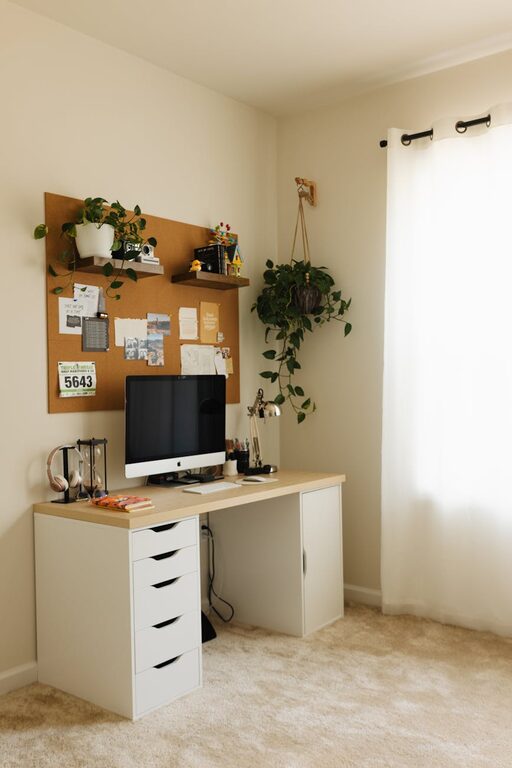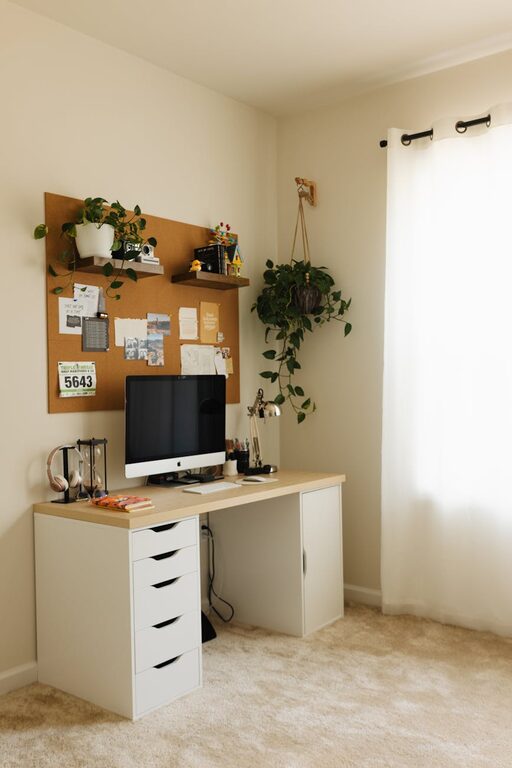
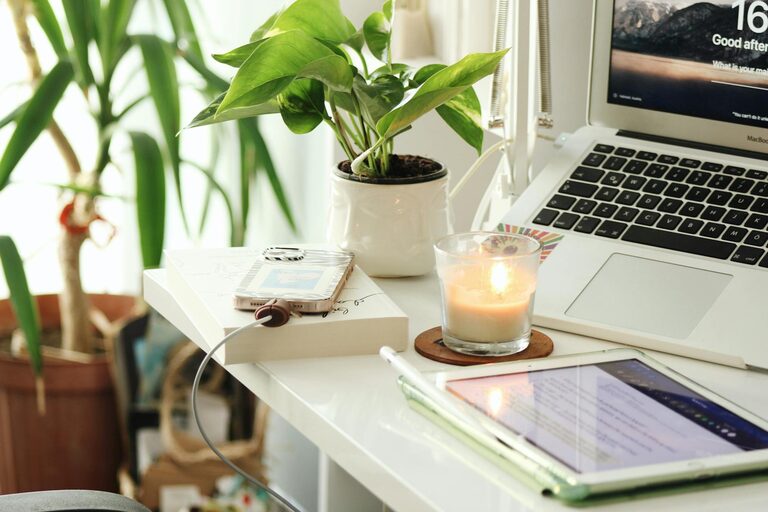
Creating a home office that feels both cozy and productive can make a big difference in how you work every day. Whether you’re working remotely, freelancing, or simply need a dedicated space for managing personal tasks, your environment plays a key role in your focus and overall well-being. Here are some actionable tips to help you design a workspace that inspires efficiency and comfort.
Choose the Right Location
The foundation of a great home office starts with picking the right spot. Ideally, pick a quiet corner or a room with minimal distractions. If possible, select a space with natural light, as it helps reduce eye strain and can boost your mood. Avoid areas with heavy foot traffic or noise disruptions.
Invest in Comfortable and Supportive Furniture
Your chair and desk are central to creating a productive and cozy workspace.
– Ergonomic chair: Choose a chair that supports good posture and has adjustable features like height and lumbar support.
– Desk size: Ensure your desk has enough surface area for your computer, notebook, and any other essential items without feeling cluttered.
– Flexibility: Consider standing desks or adjustable desks if you’d like to alternate between sitting and standing during your workday.
Personalize Your Workspace
Adding personal touches makes your office feel welcoming and less sterile.
– Decorate with plants: Adding greenery can improve air quality and create a calming atmosphere.
– Artwork and photos: Hang inspiring artwork or pictures to brighten the space.
– Color choice: Choose soothing or motivating colors for your walls and accessories, such as soft blues, greens, or warm neutrals.
Optimize Lighting
Good lighting is essential to reduce fatigue and eye strain.
– Natural light: Position your desk near a window if possible.
– Task lighting: Use a desk lamp with adjustable brightness for focused work.
– Avoid glare: Arrange your computer and lights to prevent reflections on your screen.
Keep Organized with Smart Storage Solutions
A cluttered workspace can disrupt focus and create stress. Organizing your office keeps everything within reach and your mind clear.
– Shelves and cupboards: Use vertical space to store books, supplies, or files.
– Desk organizers: Keep frequently used items tidy with trays, pen holders, and drawer dividers.
– Cable management: Use clips or sleeves to keep cords out of sight and prevent tangles.
Maintain Good Air Quality and Temperature
Comfort isn’t just about furniture and decor—it’s also the air you breathe and how warm or cool you feel.
– Ventilation: Open windows when possible or use air purifiers to keep air fresh.
– Temperature control: Use fans, heaters, or adjust your thermostat to stay comfortable year-round.
Set Boundaries to Boost Productivity
Creating a clear boundary between work time and personal time helps maintain focus.
– Dedicated workspace: Use your office space solely for work to help your brain associate it with productivity.
– Work hours: Define your work schedule and stick to it to avoid burnout.
– Minimize distractions: Turn off notifications on your phone and avoid non-work-related browsing during work hours.
Incorporate Technology That Supports Your Workflow
Using the right tools can make your work smoother and less stressful.
– Reliable internet: Ensure your connection is fast and stable.
– Quality peripherals: Invest in a good keyboard, mouse, and headphones to improve comfort and focus.
– Backup power: Consider surge protectors or uninterruptible power supplies to protect your devices.
Take Breaks and Make Your Space Inviting
Long hours at a desk can tire both your body and mind.
– Comfortable seating: Include a cozy chair or reading nook where you can step away during breaks.
– Encourage movement: Keep space to stretch or do light exercises.
– Refreshment station: Having water or your favorite tea nearby keeps you hydrated and refreshed.
Regularly Refresh and Reassess Your Setup
Your work needs and preferences may change over time, so periodically revisit your home office setup.
– Declutter often: Remove items you no longer use or need.
– Update decor: Swap seasonal decorations or add new plants to keep the space vibrant.
– Adapt furniture: Adjust or replace furniture as your comfort and productivity needs evolve.
—
Creating a cozy and productive home office doesn’t require a huge budget. With thoughtful planning and some creativity, you can build a workspace that suits your style and enhances your work routine. Remember that your home office is a personal space—make it one where you feel motivated, comfortable, and ready to succeed.